Which Cannabis Plant Produces Buds: A Grower’s Guide
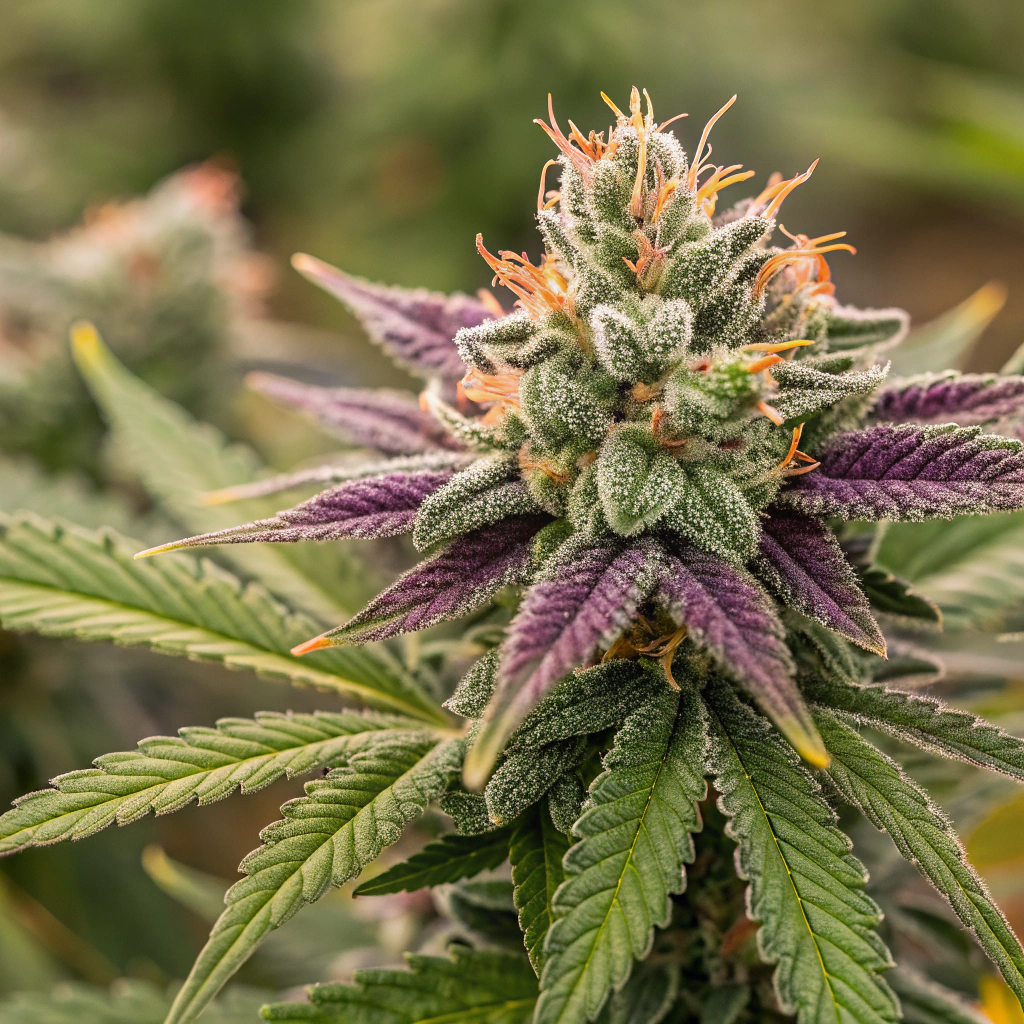
For anyone new to cannabis cultivation, the primary question is simple: which cannabis plant produces buds? The straightforward answer is the female cannabis plant. These plants are the ones that grow the dense, smokable flowers, often called buds, which contain high concentrations of cannabinoids like THC and CBD. While a male plant is essential for breeding, the female plant is the star for most growers. Understanding the distinction between a male and female cannabis plant is the first step toward a successful harvest. At Budssmoke, we value the art of cultivation, offering premium pre-rolls made from expertly grown female flowers.
The Difference Between Male and Female Cannabis Plants
The core difference between male and female cannabis lies in their reproductive functions. A male plant develops staminate flowers, which produce and release pollen. A female plant develops pistillate flowers, designed to receive pollen. If a female flower is pollinated, it will direct its energy toward producing seeds. If it remains unpollinated, the female plant produces the resinous, cannabinoid-rich buds that are sought after for consumption. This is why cannabis growers focused on bud production must separate male and female plants. The presence of a male in the grow room can ruin a harvest of consumable cannabis flower by causing the females to produce seeds.
Anatomy of Male and Female Cannabis
Identifying the sex of your cannabis plant is a crucial skill. The earliest signs appear at the nodes (the intersection where a branch meets the main stem) during the pre-flowering stage. A male cannabis plant will form small, hanging sacs that look like bunches of grapes. These are the male pollen sacs. As the male plant matures, these sacs open to release pollen. In contrast, a female cannabis plant develops a small, teardrop-shaped growth called a bract, with two white, hair-like pistils (or stigmas) emerging from the top. These pistils are what catch the male pollen. If you look closely, you’ll see the difference between male and female structures. Knowing what to look for is key, and our Buds Club is a great place to learn more from fellow enthusiasts.
The Cannabis Life Cycle And When To Identify Sex
The life cycle of cannabis consists of four main stages: germination, seedling, vegetative, and flowering. Sex determination is typically possible as the plant transitions from the vegetative to the flowering stage. This “pre-flowering” phase usually begins around 4-6 weeks into the vegetative growth cycle. For photoperiod cannabis strains, this transition is triggered by a change in the light cycle, usually to 12 hours of darkness. During this time, growers must be vigilant. Inspecting the plant’s nodes daily is critical to catch male plants before they have a chance to release their pollen and fertilize the female flowers. A single male can pollinate an entire crop, shifting the plants’ focus from bud to seed production.
The Critical Role of Pollination
While most growers fear Pollination, it’s essential for cannabis breeding. Breeders intentionally cross specific male and female plants to create new cannabis strains with desired characteristics, such as unique flavors, aromas, or cannabinoid profiles. This process allows for the creation of robust cannabis genetics. However, for those aiming to grow smokable buds (a practice that results in what is known as “sinsemilla,” or seedless cannabis), pollination is the enemy. It halts the development of the potent, resinous glands called trichomes, where most cannabinoids are stored, and initiates seed production. To ensure a high-quality harvest, cannabis cultivation for bud requires a “females only” environment. Learn more about our commitment to quality on our about page.
Dealing with Hermaphrodite Cannabis Plants
Sometimes, a cannabis plant can develop both male and female reproductive organs. This is known as a hermaphrodite plant. Hermaphroditism can be genetic or caused by environmental stressors like inconsistent light cycles, temperature fluctuations, or nutrient deficiencies. These plants can self-pollinate or pollinate other nearby females, leading to seeded buds. It’s important to inspect your cannabis plants regularly for signs of both male pollen sacs and female pistils on the same plant. If you find a hermaphrodite plant, it’s best to remove it from your grow room immediately to protect your other female plants.
Feminized and Autoflowering Seeds
To eliminate the guesswork of sexing plants, many growers opt for feminized cannabis seeds. These seeds are specially bred to produce only female plants, with a success rate of over 99%. This is a game-changer for growers who want to maximize their yield of buds without the risk of accidental pollination. Another popular option is autoflowering cannabis strains. These plants, which have genetics from Cannabis ruderalis, transition from the vegetative to the flowering stage based on age rather than light cycle. Many autoflowering seeds are also feminized, making the growing process even more straightforward. These innovations have made it easier than ever for cannabis growers to succeed.
What Can You Do With Male Cannabis Plants?
While male cannabis plants don’t produce buds, they are far from useless. Their primary role is in cannabis breeding, providing the pollen needed to create new cannabis strains. Beyond breeding, male plants produce a softer fiber than females, making them suitable for producing hemp clothing and textiles. Their cannabis leaves and roots contain small amounts of cannabinoids and can be used to make teas or other wellness products. Some cannabis growers even use them as companion plants to deter pests. While male cannabis is not ideal for smoking, it is an integral part of the cannabis cultivation ecosystem.