How Cannabis Affects the Brain: Impact on Cognitive Function and Mental Health
The increasing legality and widespread use of cannabis have brought its effects on the human brain into sharp focus. While many use cannabis for its recreational or medical cannabis benefits, understanding its complex impact on neural pathways and mental health is crucial. This article delves deep into how cannabis affects the brain, examining both short-term and long-term implications for cognitive function, mood, and overall neurological well-being. We will explore the role of its primary active compounds, THC, and CBD, and discuss the latest research from institutions like the National Institute on Drug Abuse.
Short-Term Effects of Cannabis on the Brain
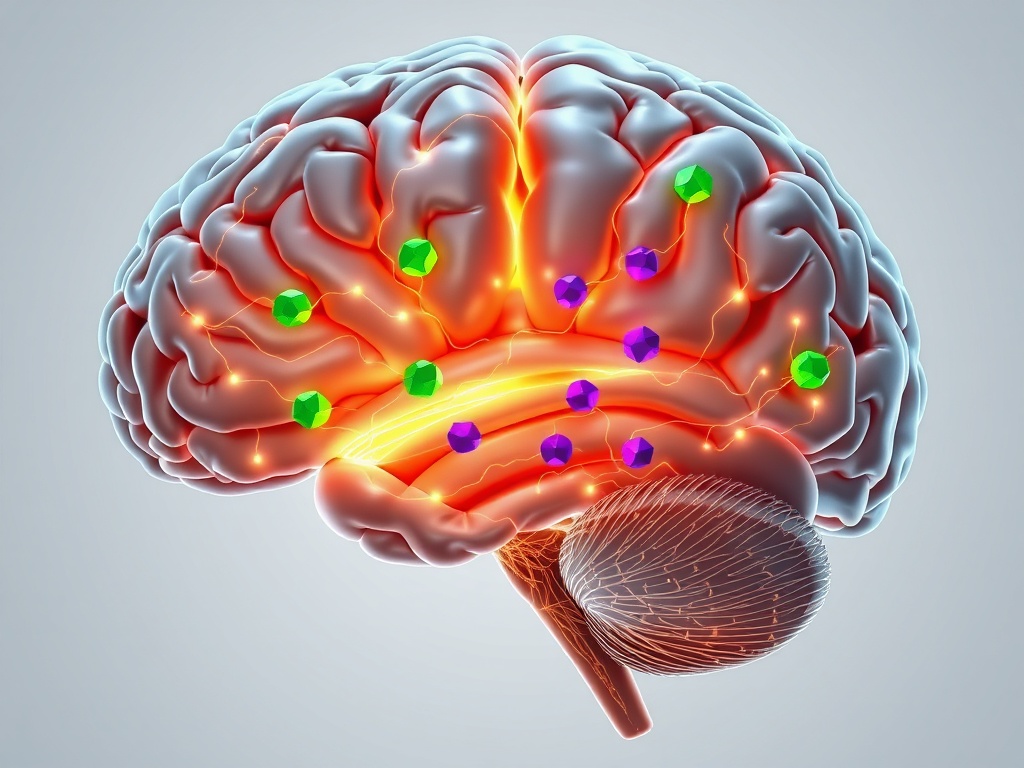
When someone uses marijuana, the psychoactive compound THC rapidly enters the bloodstream and travels to the brain, interacting with cannabinoid receptors. This interaction can cause a variety of immediate effects. Users often experience altered perception, heightened sensory awareness, and a sense of euphoria. However, the effect of cannabis use is not always positive. Some individuals may experience anxiety, paranoia, or even acute psychosis, especially with higher doses or in predisposed individuals. Short-term effects often include impaired memory, reduced attention span, and slower reaction times, which can significantly affect daily activities like driving or complex problem-solving. These transient changes in brain function highlight the immediate influence of cannabis on neural processing.
The acute effects involve disruption of normal communication between brain regions. For example, the hippocampus, a brain area critical for memory, is particularly sensitive to THC, leading to difficulties in forming new memories during intoxication. This impact on cognitive function is why certain activities are strongly discouraged under the influence. The specific effects can vary widely among cannabis users, influenced by factors such as the potency of the cannabis product, method of consumption, and individual tolerance. Exploring Budssmoke’s vapes and carts can provide insight into different product types, emphasizing the importance of understanding dosage and personal response for any cannabis consumer.
Long-Term Effects and Brain Development
The discussion around how cannabis affects the brain intensifies when considering its long-term effects, especially concerning brain development. Research suggests that chronic cannabis use, particularly beginning in adolescence when the brain is still developing, can lead to more significant and potentially lasting changes. Studies examining brain structure and brain function in adolescent cannabis users have shown associations with reduced gray matter volume in certain brain regions involved in memory and executive function. While definitive causal links are still being established, these findings raise concerns about the impact on the developing brain. Heavy cannabis use during these formative years may affect brain development pathways related to learning, attention, and decision-making.
Moreover, some evidence suggests that long-term cannabis exposure can contribute to a decline in IQ points, though this remains an area of ongoing research and debate, with confounding factors often making it challenging to isolate the direct cause. The effects on brain development are not uniform; individual genetic predispositions and the frequency of cannabis use play a significant role. Understanding these potential long-term effects is critical for informing public health policies and personal choices regarding recreational cannabis. For those looking for safe access and community, consider joining our Buds Club, where information on responsible use is a priority.
Cannabis, Mental Health, and Cognitive Function
Beyond the direct impact on the brain’s physical structure, cannabis use also has a strong relationship with mental health. There is growing evidence that cannabis may exacerbate or even trigger certain mental health conditions, particularly psychosis in vulnerable individuals. While the exact cause and effect are complex, studies indicate a heightened risk for people with a personal or family history of psychotic disorders. Additionally, chronic cannabis use may affect mood regulation, contributing to symptoms of anxiety or depression in some users. This bidirectional relationship means that while some may use cannabis to self-medicate mental health issues, it can, in fact, worsen them over time.
Regarding cognitive function, repetitive marijuana use — especially heavy cannabis use — is associated with impairments in attention, memory, and executive function. These cognitive deficiencies can persist even after periods of abstinence, suggesting that some effect of cannabis use can be quite enduring. It’s important to distinguish between occasional, recreational use and chronic, heavy use when discussing these effects, as the risk profiles differ. The National Institute on Drug Abuse continually provides updated insights into these complex interactions, emphasizing the need for continued research into the full spectrum of health effects of cannabis on the brain.
The Role of THC and CBD in Brain Function
The diverse effects of cannabis on the brain are largely due to the varying concentrations and interactions of its primary cannabinoids: THC (Tetrahydrocannabinol) and CBD (Cannabidiol). THC is the psychoactive component responsible for the “high” associated with marijuana. It mimics natural endocannabinoids in the brain, binding to cannabinoid receptors and influencing dopamine release, which affects pleasure, memory, and concentration. The effects of THC can range from relaxation and euphoria to anxiety and paranoia, depending on dosage and individual sensitivity. Higher potency cannabis products today contain significantly more THC than in previous decades, potentially increasing the risk of adverse brain effects.
In contrast, CBD is non-psychoactive and is believed to modulate the effects of THC. Evidence suggests that CBD may counteract some of the negative effects of THC, such as anxiety and psychosis. Research into medical cannabis, particularly focusing on CBD, explores its potential therapeutic applications for conditions like epilepsy, chronic pain, anxiety, and insomnia without the intoxicating effects. The interplay between these compounds is complex, and the ratio of THC to CBD in a cannabis plant or product can significantly alter its overall effect on the brain. This understanding is key to both medical applications and safe recreational use. Check out Budssmoke’s deals section for various product formulations, including those with different THC/CBD ratios.
Understanding Cannabis Use Disorder and Its Brain Impact
While many use cannabis without developing significant problems, a subset of users can develop what is clinically known as Cannabis Use Disorder (CUD). This condition is characterized by compulsive cannabis seeking and use despite harmful consequences. It is not merely a matter of willpower but a recognized medical condition that affects the brain’s reward system. Symptoms can include tolerance, withdrawal symptoms (irritability, sleep disturbances, decreased appetite) when discontinuing use, and a persistent desire or unsuccessful efforts to cut down or control marijuana use. The risk of developing CUD is higher for those who start using cannabis during adolescence, use it frequently, and consume high-potency products. The development of CUD underscores that cannabis, like other substances, carries a potential for addiction that directly impacts brain chemistry and behavior, affecting cognitive function and daily life.
Early intervention and awareness are crucial for managing CUD. The National Institute on Drug Abuse provides extensive information and resources for understanding and addressing substance use disorders, including cannabis use disorder. For individuals concerned about their cannabis use or supporting someone else, seeking professional help is recommended. Understanding these risks forms a part of Budssmoke’s commitment to responsible consumption. Browse our selection of edibles for precise dosing control.
Conclusion: The Evolving Understanding of How Cannabis Affects the Brain
The question of how cannabis affects the brain is multifaceted, with ongoing research continually enhancing our understanding. It’s clear that while cannabis can offer certain benefits, particularly in medical contexts, its impact on brain function, mental health, and cognitive abilities cannot be overlooked. From the immediate psychoactive effects of THC to the potential long-term changes in developing brains and the risk of dependence, responsible use requires informed decision-making. As the landscape of cannabis use evolves, continuous education and adherence to scientific evidence are paramount for protecting neurological and mental well-being. Always consult with a healthcare professional before making decisions about cannabis use, especially if you have underlying health concerns.