How Cannabis Affects Mental Health
| TL;DR – Quick Navigation |
|---|
| Mental Health Effects – Cannabis impact on anxiety and depression |
| Brain Development – How cannabis affects developing brains |
| Psychosis Risks – Links between cannabis and psychotic disorders |
| Long-Term Effects – Chronic cannabis use consequences |
| References – Scientific sources and research |
Understanding how cannabis affects mental health is crucial for anyone considering cannabis use or concerned about its impact. Cannabis interacts with the brain’s cannabinoid receptors, influencing various mental health conditions including anxiety, depression, and psychosis. The effects of cannabis on mental health vary significantly based on factors such as frequency of use, age of initiation, and individual susceptibility.
Mental Health Effects of Cannabis
Cannabis use can have complex effects on mental health, with both positive and negative outcomes reported. Research shows that cannabis affects various mental health disorders differently. For individuals with existing mental health conditions, cannabis use may exacerbate symptoms or interact with prescribed medications.
Anxiety responses to cannabis are particularly variable. While some users report decreased anxiety, others experience heightened anxiety or panic attacks. The effects of cannabis on anxiety depend on factors such as THC content, individual tolerance, and setting. High-THC cannabis products available at our dispensary should be used cautiously by those prone to anxiety.
Cannabis use has been associated with both relief and worsening of depressive symptoms. Some individuals use cannabis to self-medicate for depression, though this can lead to cannabis use disorder. The association between cannabis and depression remains complex, with mixed research findings.
Brain Development and Cannabis
The brain continues developing until approximately age 25, making adolescents and young adults particularly vulnerable to cannabis effects. Cannabis affects brain development through its interaction with the endocannabinoid system, which plays crucial roles in neural maturation.
Chronic cannabis use during adolescence has been linked to alterations in brain structure and function. These changes can affect cognitive abilities, memory, and decision-making processes. The developing brain is more susceptible to the psychoactive effects of cannabis, potentially leading to long-term consequences.
Studies show that individuals who start using cannabis before age 18 may experience more pronounced effects on brain development. This is particularly concerning for heavy cannabis users who begin consumption during critical developmental periods. Educational resources about safe cannabis use are available through our Buds Club community.
Cannabis and Psychosis
Psychosis represents one of the most serious potential mental health consequences of cannabis use. Research has established a link between cannabis use and increased risk of psychotic disorders, particularly schizophrenia.
The risk of psychosis appears to be dose-dependent, with heavy cannabis use posing greater risks than occasional use. High-potency cannabis products with elevated THC levels may increase the likelihood of psychotic episodes. Individuals with a family history of mental disorders may be at particularly high risk.
Cannabis-induced psychosis can manifest as hallucinations, delusions, and disorganized thinking. While some cases resolve after discontinuing cannabis use, others may progress to persistent mental health conditions. People who use cannabis should be aware of these risks and monitor their mental health status regularly.
Long-Term Effects on Mental Health
The long-term effects of cannabis on mental health continue to be studied extensively. Chronic cannabis use may lead to persistent changes in brain function and structure, potentially affecting mental health outcomes for years after cessation.
Long-term effects of cannabis on mental health can include alterations in mood regulation, cognitive function, and stress response. Some individuals may experience persistent anxiety or depression even after stopping cannabis use.
Cannabis use disorder affects approximately 9% of people who use cannabis, with higher rates among those who start using during adolescence. Treatment for cannabis dependence often involves behavioral interventions and support from mental health professionals. Our knowledgeable staff can provide information about responsible cannabis use.
Recovery from cannabis-related mental health issues is possible with appropriate treatment and support. Reducing or stopping cannabis use can help improve long-term mental health outcomes, though the timeline for recovery varies among individuals.
How Cannabinoids Work in the Brain
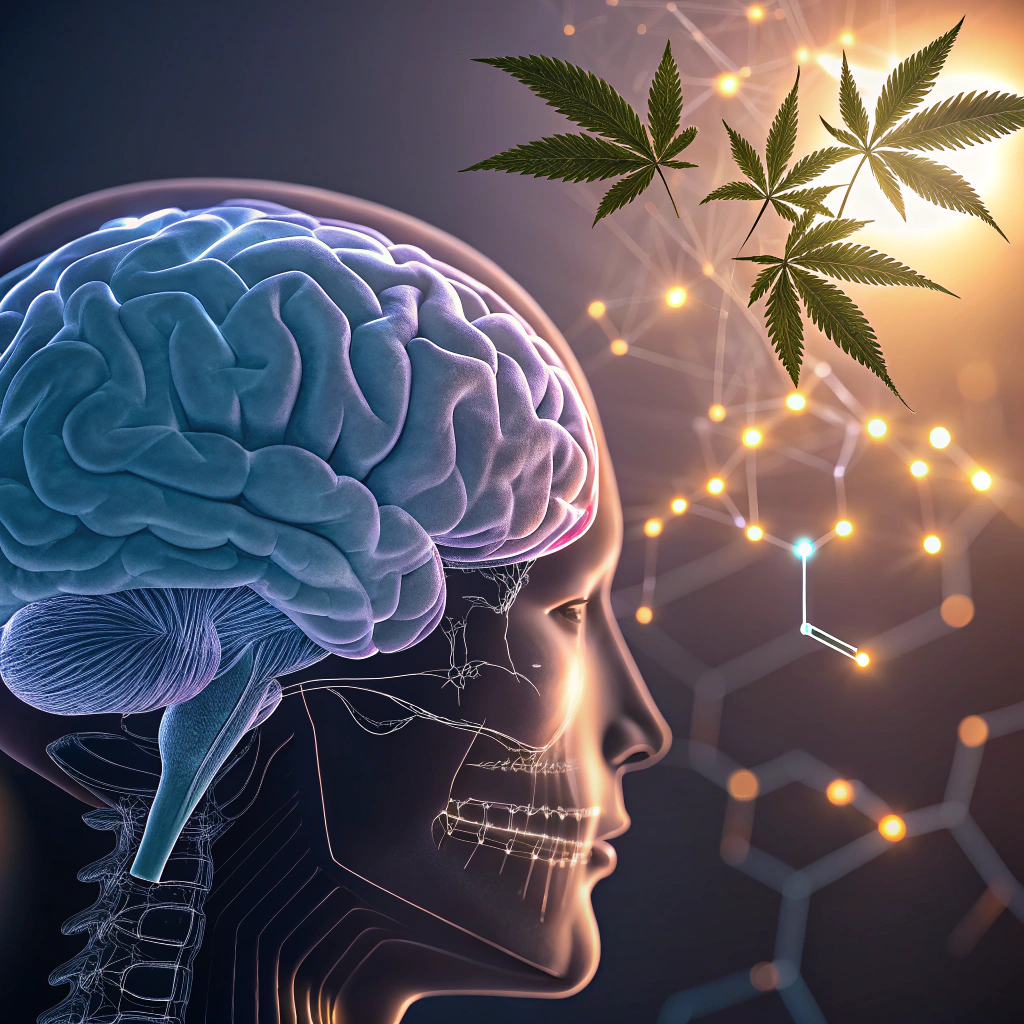
Cannabinoids exert their effects by binding to specific receptors in the brain and body. The two primary cannabinoid receptors, CB1 and CB2, are distributed throughout the nervous system and influence various physiological processes.
THC, the primary psychoactive component in cannabis, binds to CB1 receptors in areas of the brain responsible for memory, coordination, and pleasure. This interaction can affect cognitive function, motor skills, and emotional regulation. CBD, another major cannabinoid, has different effects and may modulate THC’s impact on mental health.
The endocannabinoid system plays a crucial role in maintaining mental health balance. Cannabis use can disrupt this delicate system, potentially leading to the mental health effects observed in research studies. Understanding these mechanisms helps explain why cannabis affects individuals differently.
Risk Factors and Prevention
Several factors influence how cannabis affects mental health, including genetics, age of first use, frequency of consumption, and potency of cannabis products. Individuals with a family history of mental disorders may be at increased risk for adverse effects.
Prevention strategies include delaying cannabis initiation until adulthood, avoiding heavy or frequent use, choosing lower-potency products, and being aware of personal and family mental health history. Regular mental health check-ups can help identify potential issues early.
For those who choose to use cannabis, harm reduction approaches emphasize educated consumption. This includes understanding product potency, starting with low doses, and avoiding polysubstance use. Visit our deals section for information about tested, regulated cannabis products.
When to Seek Help
Mental health concerns related to cannabis use warrant professional attention. Signs that may indicate problems include persistent anxiety or depression, changes in personality or behavior, difficulty concentrating, or social withdrawal.
Healthcare providers can assess the relationship between cannabis use and mental health symptoms. Treatment may involve therapy, medication, or cannabis cessation programs. The earlier intervention occurs, the better the potential outcomes for mental health recovery.
Support is available through various health services and mental health organizations. Individuals experiencing cannabis-related mental health issues should not hesitate to seek professional help, as effective treatments are available.