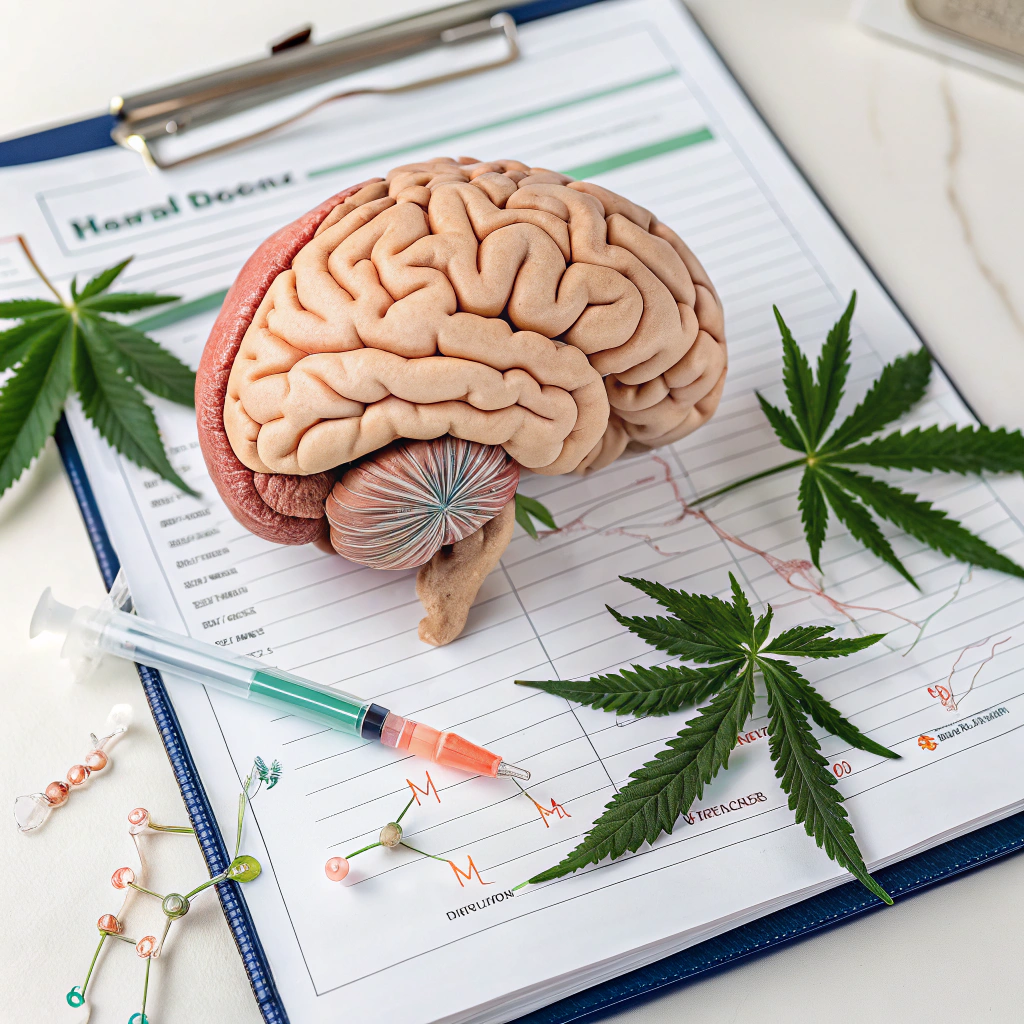
Cannabis and Dementia: Health Risks Linked to Hospital Visits
Recent research has raised important questions about whether can cannabis cause dementia, particularly following studies linking cannabis-related hospital visits to increased dementia risk. Understanding the relationship between cannabis use and brain health is crucial for informed decision-making about marijuana consumption.
Understanding the Cannabis-Dementia Connection
The connection between cannabis and dementia has become a significant area of health research. Studies indicate that individuals requiring acute care due to cannabis may face an increased risk of dementia diagnosis within five years. This link between cannabis use and dementia represents a growing concern for public health officials and healthcare providers.
Cannabis use affects multiple aspects of brain function, including memory, cognition, and executive functions. Regular cannabis use may cause structural changes in the brain, particularly affecting areas responsible for memory formation and cognitive processing. These changes could potentially increase the risk of developing neurodegenerative conditions like dementia.
How Cannabis Affects Brain Health
The brain responds to cannabis through interactions with cannabinoid receptors. THC (tetrahydrocannabinol), the primary psychoactive component in marijuana, binds to these receptors and can alter normal brain function.
Long-term effects of cannabis on brain structure include changes in the hippocampus, a critical region for memory formation. Cannabis users may experience impaired working memory and cognitive decline over time. These brain structure changes are particularly concerning because they mirror some patterns seen in early dementia development.
Mental health implications of cannabis use extend beyond immediate cognitive effects. Research suggests that cannabis use may affect executive functions, decision-making abilities, and overall mental processing speed. For those seeking safer alternatives, consider exploring our premium cannabis products that undergo rigorous quality testing.
Hospital Visits and Dementia Risk
Recent studies examining emergency department visits or hospitalizations due to cannabis reveal alarming statistics. Individuals with cannabis-related hospital visits showed a 72% higher risk of dementia diagnosis within five years compared to the general population. These hospital visits often indicate cannabis use severe enough to require medical intervention.
The research analyzed data from individuals aged 45 years and older who required acute care due to cannabis use. Results showed that cannabis abuse requiring hospitalization significantly increases the risk of developing cognitive impairment and dementia-related conditions. This elevated risk persists even after accounting for other health factors.
Cannabis use disorder represents a serious condition that can lead to these severe health outcomes. People who use cannabis regularly, particularly those developing dependency, face increased risks of both immediate health complications and long-term cognitive decline. Visit our Buds Club for educational resources on responsible cannabis consumption.
Research on Cognitive Decline
Scientific evidence linking cannabis use and cognitive decline continues to accumulate. Studies examining the long-term effects of cannabis show that regular marijuana use affects various aspects of cognition, including attention, memory, and problem-solving abilities.
Cannabis use and dementia research reveals that heavy cannabis users often show signs of accelerated cognitive aging. These findings suggest that cannabis might trigger processes that lead to dementia-like symptoms earlier than normal aging would typically cause. The risk factors for dementia associated with cannabis use include changes in brain structure, impaired neuroplasticity, and chronic inflammation.
Working memory, in particular, appears vulnerable to cannabis effects. Studies show that people who use cannabis frequently perform worse on working memory tasks compared to non-users. This cognitive decline may be reversible with cessation of use, but long-term heavy use may cause permanent changes.
THC Effects on Mental Health
THC’s impact on mental health extends beyond immediate intoxication effects. Research indicates that regular THC exposure may cause alterations in brain chemistry that affect mood regulation, stress response, and cognitive processing. These changes can contribute to the development of mental disorders and potentially increase dementia risk.
Cannabis use may also interact with existing mental health conditions, potentially worsening symptoms of depression, anxiety, and other psychiatric disorders. The relationship between mental health and cannabis use is complex, with some individuals using marijuana to self-medicate while others experience worsening symptoms.
Medical cannabis research shows that controlled, therapeutic use may have benefits for certain conditions. However, recreational use, particularly heavy or frequent consumption, carries different risk profiles. For those interested in medical applications, explore our medical-grade edibles designed for therapeutic use.
Public Health Implications
Public health officials face growing challenges as cannabis legalization expands across jurisdictions. The increasing acceptance of marijuana use must be balanced against emerging evidence of potential long-term health risks, particularly regarding cognitive function and dementia development.
Healthcare providers need updated guidelines for counseling patients about cannabis use risks, especially for older adults who may be more vulnerable to cognitive effects. The health effects of cannabis require ongoing monitoring as usage patterns change and new research emerges.
Prevention strategies should focus on education about responsible use, early identification of cannabis use disorders, and treatment options for those experiencing problematic use. Our educational resources provide evidence-based information about cannabis safety and responsible consumption practices.
Future research must continue examining the long-term effects of cannabis use, particularly as legalization allows for more comprehensive population studies. Understanding these risks helps inform both individual decision-making and policy development around cannabis regulation and public health protection.