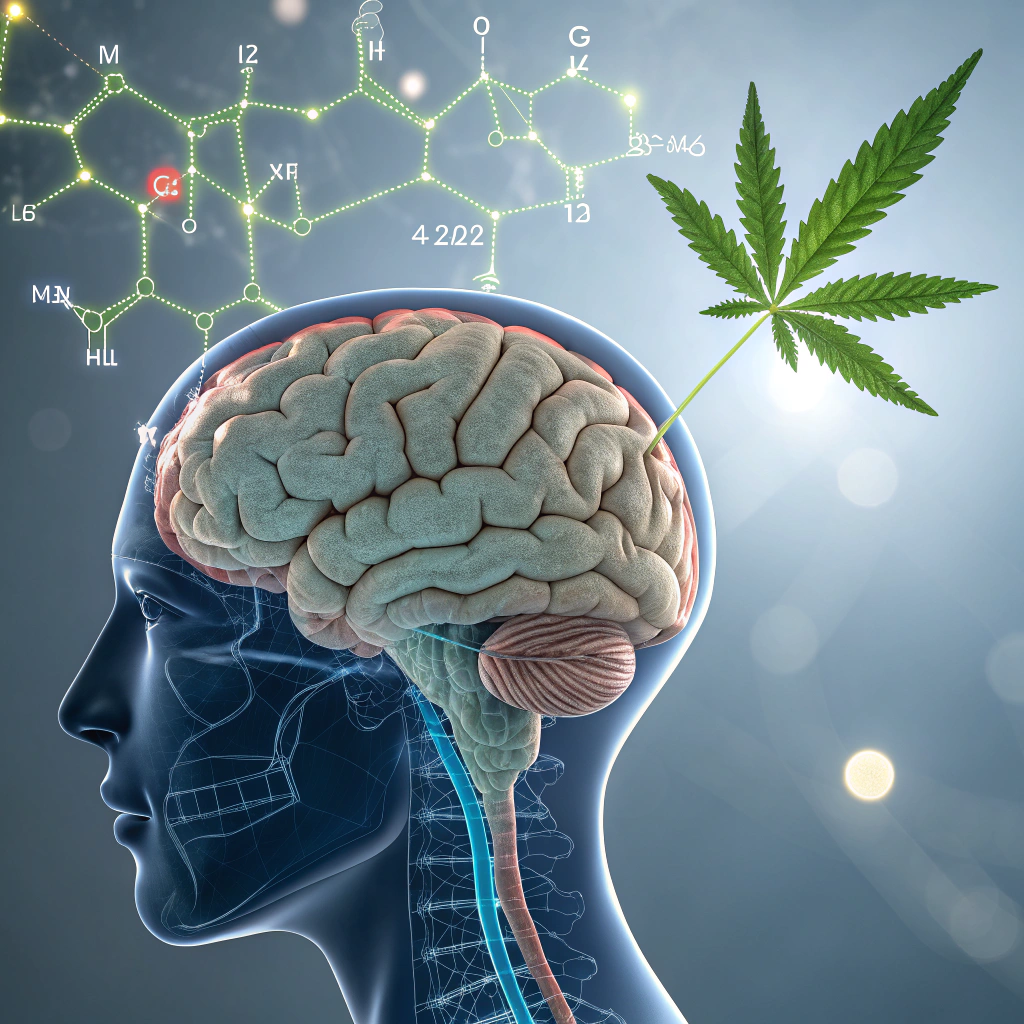
Can Cannabis Cause Psychosis: Understanding the Health Risks and Symptoms
| TL;DR – Quick Navigation |
|---|
| Cannabis and Psychosis Connection |
| Recognizing Psychotic Symptoms |
| Risk Factors and Vulnerability |
| Prevention and Treatment |
| Scientific Evidence |
| References |
The question “can cannabis cause psychosis” has become increasingly important as cannabis legalization expands worldwide. Research shows that cannabis use can indeed trigger psychotic symptoms in vulnerable individuals, particularly those with a predisposition to mental disorders. Understanding the relationship between cannabis and psychosis is crucial for making informed decisions about cannabis consumption and protecting mental health.
Cannabis and Psychosis Connection
Cannabis-induced psychosis represents a significant public health concern that can affect anyone who uses cannabis. The active compound THC (tetrahydrocannabinol) can disrupt normal brain function and trigger psychotic symptoms including hallucinations, delusions, and paranoia.
Studies examining the association between cannabis use and psychosis consistently demonstrate an increased risk of developing psychotic disorders. Regular cannabis use, particularly with high-potency products containing elevated levels of THC, significantly elevates the risk of psychosis. The potency of cannabis products has increased dramatically over recent decades, making this health concern more pressing.
When individuals use cannabis regularly, they may develop cannabis use disorder, which compounds the risk of developing psychosis. The frequency of cannabis use and the amount consumed directly correlate with increased vulnerability to psychotic symptoms. For those seeking safer alternatives, consider exploring our low-THC cannabis products which may present reduced risks.
Recognizing Cannabis-Induced Psychotic Symptoms
Understanding the symptoms of cannabis-induced psychosis can help identify when cannabis use has triggered dangerous mental health effects. Early symptoms of psychosis may include distorted thinking, social withdrawal, and decline in personal hygiene. As the condition progresses, more severe symptoms emerge.
Acute psychotic symptoms from cannabis typically manifest as auditory or visual hallucinations, where individuals hear voices or see things that aren’t present. Delusions represent another core symptom, involving false beliefs that persist despite contradictory evidence. These may include grandiose delusions or paranoid thoughts about persecution.
Thought disorders frequently accompany cannabis-induced psychosis, causing disorganized speech and difficulty maintaining logical conversation. Individuals may experience dissociation and depersonalization, feeling disconnected from reality or their own identity. These symptoms can persist even after cannabis effects have worn off, indicating serious mental health consequences.
Risk Factors and Vulnerability to Cannabis-Related Psychosis
Several factors influence the risk of developing psychosis from cannabis use. Adolescence represents a particularly vulnerable period, as the developing brain shows increased susceptibility to cannabis-induced damage. Young people who use cannabis during their teenage years face significantly elevated risks of developing psychotic disorders later in life.
Genetic predisposition plays a crucial role in determining who will develop cannabis-induced psychosis. Individuals with a family history of schizophrenia, bipolar disorder, or other mental disorders show heightened vulnerability. The risk of developing psychosis increases exponentially when genetic risk factors combine with heavy cannabis use.
Environmental factors also contribute to the risk of cannabis-induced psychosis. Stress, trauma, and concurrent substance abuse can amplify the psychosis-inducing effects of cannabis. The potency and frequency of use significantly impact risk levels, with daily users of high-THC products facing the greatest danger. Understanding these risk factors helps individuals make informed decisions about cannabis consumption.
People with existing mental health conditions should exercise extreme caution when considering cannabis use. Those diagnosed with depression, anxiety disorders, or other psychiatric conditions may find that cannabis exacerbates their symptoms and increases the likelihood of developing psychotic symptoms. For safer consumption options, visit our Buds Club for expert guidance.
Prevention and Treatment Approaches
Preventing cannabis-induced psychosis requires understanding individual risk factors and making informed choices about cannabis use. For those who choose to use cannabis, selecting products with lower THC content and higher CBD ratios may reduce the risk of psychotic symptoms. Limiting frequency of use and avoiding daily consumption represents another important preventive measure.
When cannabis-induced psychosis occurs, immediate treatment becomes essential for protecting long-term mental health. Antipsychotic medications often provide the first line of defense against acute psychotic symptoms. Healthcare providers may prescribe these medications to stabilize brain chemistry and reduce the severity of hallucinations and delusions.
Complete cessation of cannabis use becomes crucial for recovery from cannabis-induced psychosis. Continued use of cannabis during treatment can perpetuate psychotic symptoms and increase the risk of developing chronic schizophrenia. Early intervention programs provide specialized support for individuals experiencing first-episode psychosis, offering the best chance for full recovery.
Psychological therapies complement medication treatments for cannabis-induced psychosis. Cognitive behavioral therapy helps individuals develop coping strategies and address the underlying thoughts and behaviors that contribute to cannabis use disorder. Family education and support play vital roles in creating environments that promote recovery and prevent relapse.
Scientific Evidence and Longitudinal Studies
Extensive research demonstrates a clear association between cannabis use and increased risk of psychosis. Longitudinal studies following thousands of participants over decades consistently show that regular cannabis use doubles or triples the risk of developing psychotic disorders. The evidence becomes particularly compelling when examining dose-response relationships, where heavier use correlates with higher risk levels.
Neurobiological research reveals how THC disrupts normal brain function and triggers psychotic symptoms. Dopamine system dysfunction appears central to cannabis-induced psychosis, with THC causing excessive dopamine release in brain regions associated with psychosis. These findings provide biological plausibility for the observed clinical relationships between cannabis and mental disorders.
Meta-analyses examining data from multiple studies confirm that cannabis use is associated with a significant increased risk of developing schizophrenia and other psychotic disorders. The evidence indicates that eliminating cannabis use could prevent approximately 12-15% of schizophrenia cases, representing a substantial public health impact. These statistics underscore the importance of understanding the health risks associated with cannabis consumption.
Recent research focusing on high-potency cannabis products reveals even stronger associations with psychosis risk. Studies show that daily use of high-THC cannabis can increase psychosis risk by up to five times compared to non-users. As cannabis products continue to increase in potency, understanding these risks becomes increasingly critical for public health and individual decision-making. For those interested in safer alternatives, explore our current deals on lower-risk products.